
 Español
 Portugues
 Pусский
 Français
 Deutsch
 日本語
日本語 한국어
한국어 العربية
 Italiano
 Nederlands
 Ελληνικά
 Svenska
 Polski
 ไทย
ไทย Türk dili
 हिन्दी
 Indonesia
 Melayu
 Tiếng Việt
 中文
中文 dansk
dansk Magyar
 қазақ
қазақ বাংলা
বাংলা עִברִית
 čeština
 Soomaali
 မြန်မာ
 فارسی
فارسی українська
 norsk
norsk Gaeilge
 беларускі
 Română
 ພາສາລາວ
 Filipino
 lietuvių
 Cymraeg
 македонски
 Suomalainen
 slovenský
 o'zbek
 اردو
اردو հայերեն
 Igbo
Igbo български
 سنڌي
سنڌي Shona
Shona සිංහල
සිංහල Hrvatski
 íslenskur
 galego
 català
 Zulu South Africa
 Afrikaans isiXhosa
 ಕನ್ನಡ
ಕನ್ನಡ lëtzebuergesch
 Indonésia Sunda
 Кыргызча
 тоҷикӣ
 Србија
 Twi
Twi Hawaii
 Cebu
Cebu नेपाल
नेपाल euskara
 frissi
 יידיש
יידיש latvija
 slovenija
 kiswahili
 ਪੰਜਾਬ
ਪੰਜਾਬ پښتو
پښتو საქართველოს
 hua moni
 bosna
bosna Kreyòl ayisyen
 Eesti
Eesti Gàidhlig na h-Alba
 Samoa
Samoa Монгол
 Azərbaycan
 አማራ
አማራ Shqipëria
 Malagasy
 Malta
Malta ខ្មែរ
ខ្មែរ Chicheva
 中文(繁体)
 ଓଡିଆ
ଓଡିଆ Setswana
 Afrikaans
 Aymara
 Башҡорт
 Türkmenler
 ትግሪኛ
ትግሪኛ Afaan Oromoo
 অসমীয়া
 Kinyarwanda
 Ilocano
 Wolof
Wolof अवधी
अवधी Oluganda
 Bikol
Bikol Fulɓe
Fulɓe Kikongo
 Sango
Sango ދިވެހި
 Lingala
 मैथिली
 Tsonga
 ꯃꯦꯏ ꯊꯥꯏ꯫
 brezhoneg
 Furlan
 नेवा
नेवा རྫོང་ཁ
 Santali
 Аҧсуа
Аҧсуа Нохчийн
 Чӑваш
Чӑваш Татар
Татар Batak Karo
 دری
دری Diura
Diura Fengyu
 Eʋegbe
 Iban
Iban Fiji
Fiji Tonga
Tonga Inuktitut
 Nahuatl
 maaya yucatec
 Runasimi
 guarani
 Qafar
Qafar Acholi
 Dinka
Dinka Luo
Luo Lundi
Lundi isiNdebele
 Tshivenḓa
 Sesotho sa Leboa
 Sesotho sa Borwa
 Ndumbe
 Papuan Pidgin
 Rromani ćhib
 Thok Nath


Drill Pipe
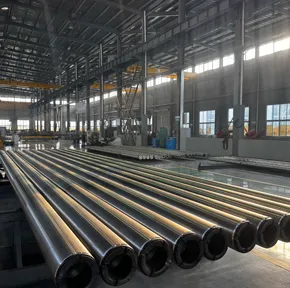
Drill pipe is a vital component in drilling operations, especially in the oil and gas industry, as well as in geothermal, mining, and water well projects. It is a long, tubular piece of high-strength steel that connects the drilling rig at the surface to the drill bit at the bottom of the borehole. Its main purpose is to transmit rotational force and drilling fluid while also withstanding extreme mechanical stress during drilling. Because of its role in deep and demanding environments, drill pipe must be manufactured with precision, durability, and reliability.A typical drill pipe consists of a pipe body and tool joints at both ends. The pipe body is usually made from seamless steel tubing, designed to be lightweight yet strong enough to handle tension, compression, torque, and bending loads. The tool joints are thicker, threaded sections that allow individual lengths of pipe to be connected together securely. These joints are essential because they must endure repeated make-up and break-out cycles without failing. High-quality threads and proper heat treatment are important to ensure a long service life.Drill pipe comes in different sizes, grades, and material specifications depending on the depth of the well, the type of formation, and the drilling conditions. Common grades are selected based on strength, resistance to wear, and resistance to corrosion. In more challenging environments, special coatings or metallurgy may be used to improve performance. For example, in corrosive or highly abrasive settings, drill pipe may need enhanced protection to reduce damage and extend operating life.During operation, drill pipe performs several functions. It transmits mechanical power from the top drive or rotary table to the drill bit, allowing the bit to cut through rock and soil. At the same time, it carries drilling fluid down the borehole. This fluid helps cool the bit, remove cuttings, control pressure, and maintain borehole stability. Drill pipe must therefore be capable of handling both internal pressure from the fluid and external loads from the drilling environment.Proper handling, inspection, and maintenance are critical for drill pipe safety and efficiency. Before and after use, pipes are often checked for wear, cracks, thread damage, and wall thickness reduction. Any defects can lead to costly downtime or dangerous failures underground. To prevent problems, drill pipe is commonly cleaned, measured, and stored carefully. Regular maintenance helps preserve performance and reduces replacement costs.In modern drilling, drill pipe is designed not only for strength but also for efficiency and reusability. Advances in metallurgy, manufacturing processes, and surface treatment have improved its fatigue resistance and overall reliability. As drilling projects become deeper and more complex, the demand for high-performance drill pipe continues to grow. It remains one of the most important tools in any drilling system, supporting safe, efficient, and productive operations.
Products
Category:
-
Drill Pipes
Category: Drilling ExplorationBrowse number: 169Number:Release time: 2026-06-16 16:55:53Drill pipe is one of the most critical downhole OCTG (Oil Country Tubular Goods) equipment widely used in onshore and offshore oil and gas drilling, well cementing, workover and completion operations. As the main connecting component of the entire drill string system, it serves as a transmission channel for drilling fluid, torque, pressure and weight during all drilling processes. High-quality drill pipe directly determines drilling safety, operational efficiency and overall well service life, especially for deep well, ultra-deep well, directional well and high-pressure high-temperature oilfield working conditions. -
API Drill Pipe for Oil and Gas Drilling
Category: Drilling ExplorationBrowse number: 140Number: SM-DE-006Release time: 2026-06-28 16:07:44API Drill Pipe for Oil and Gas Drilling is designed for drilling and exploration buyers searching for precise oilfield equipment keywords such as Drill Pipes, API drilling equipment, oilfield exploration tools, and export-ready petroleum machinery. This product page explains the product overview, technical specifications, applications, advantages, Junchi/SANMON supply capability, FAQ, customer cases, export countries, and request quote process. It helps drilling contractors, distributors, procurement teams, and oilfield service companies compare specifications, confirm documentation, and send a clear inquiry for reliable project supply.
News
Category:
-
[industry news]How Diesel Generators, Motors and Gearboxes Support Remote O...
2026-06-16 12:07:00 -
[industry news]Drill Pipes for Oil and Gas Drilling: API Drill String Suppl...
2026-06-27 16:47:56 -
[industry news]Drill Pipes Supplier for Drilling and Exploration Oilfield P...
2026-06-27 17:29:20 -
[industry news]Drill Pipes Manufacturer and API Specification Buying Guide
2026-06-27 17:29:45 -
[industry news]Drill Pipes Exporter for Oil and Gas Drilling Contractors
2026-06-27 17:30:11
Case
Category:
No search results found!
Video
Category:
No search results found!
Download
Category:
No search results found!
Job
Category:
No search results found!
Featured Products
-
NEWS
Drill Pipes
Learn more



 WhatsApp
 Phone
Phone